Begin with the wall everyone faces
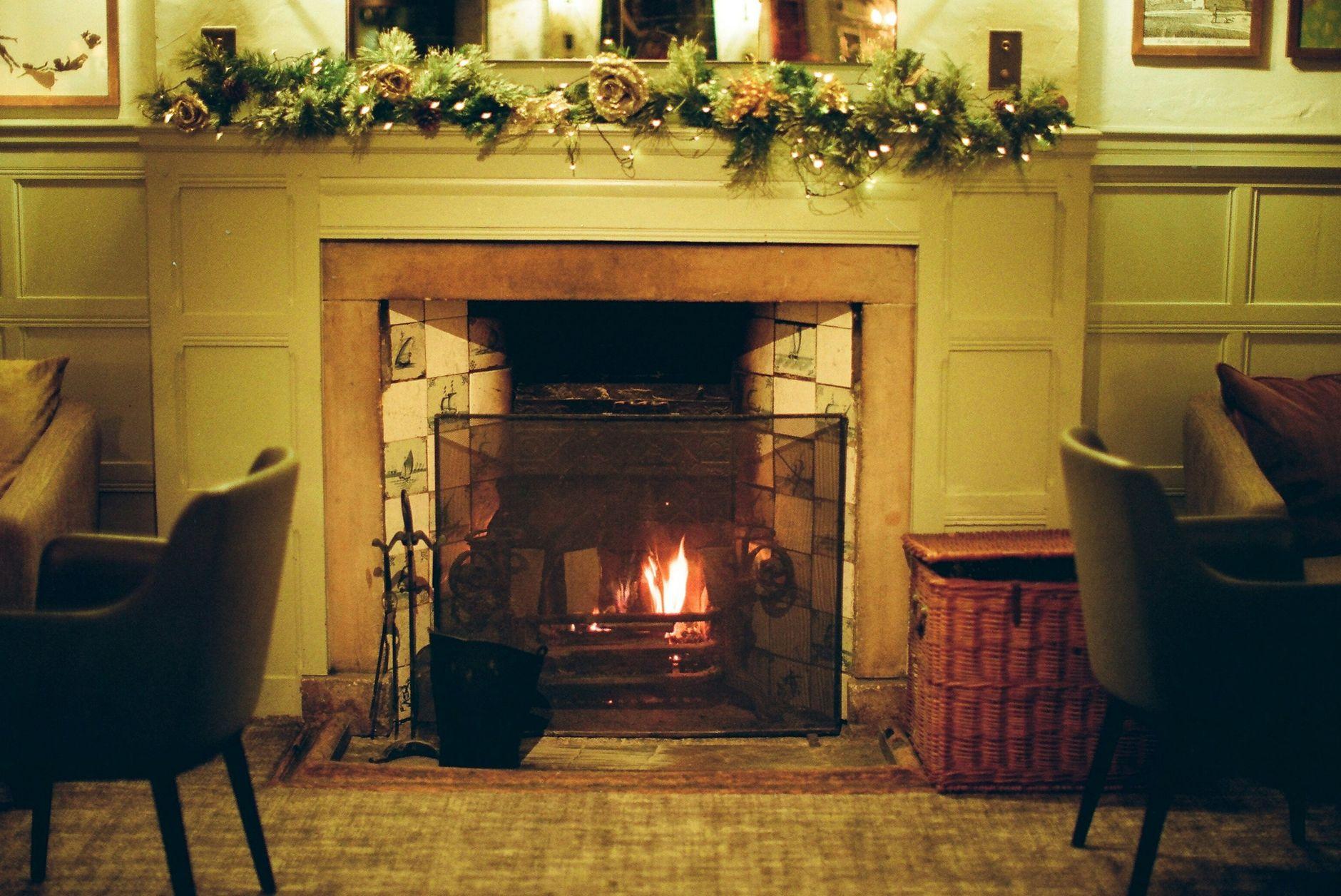
Every chair in a living room turns toward one wall, so most remodels start with a picture: honed limestone instead of 1970s used brick, a plaster hood that rises to the ceiling, a slim walnut shelf where a heavy oak mantel used to sit. That picture is the right starting point. It is also where prices spread out, because two hearths that look equally simple in a magazine can sit on very different brickwork.
Farnham Chimney Sweep prices a hearth remodel in Los Angeles as two jobs sharing one wall. The first is the finish you see. The second is everything behind it: the firebox, the damper, the flue and the gap between the opening and anything that can burn. A remodel that lasts is planned around both.
The finish: material, and how far it runs
Your choice of surface sets most of the visible cost.
- Tile. Large porcelain panels go up quickly and leave few grout lines. Small handmade zellige or encaustic tile takes longer to lay out around the opening and costs more per square foot.
- Plaster and limewash. A smooth plaster face over old brick needs a sound base coat and drying time between layers. A curved hood or a tapered breast adds framing.
- Stone. Thin veneer is lighter and quicker than slab. A single cut slab for the surround, or one big hearth stone, needs a template, a fabricator and more hands on install day.
- Brick. Keeping the brick and cleaning, repointing or painting it is usually the lightest option. A new brick skin laid over the old one deepens the wall and moves the hearth line.
- Mantel. A floating shelf on a hidden bracket, a reclaimed beam, or a full surround with legs. Bigger and heavier means more for the wall behind to carry.
Proportion counts as much as material. Running the new face up to the ceiling, or out to the corners of the room, can double the area being finished compared with a surround that only frames the opening.
The part hidden behind the finish
Here is where remodel budgets surprise people, and where a chimney company earns its place on the job.
Before any tile goes up we look at the firebox walls, the hearth extension in front of the opening, the damper and the flue. A cracked firebox panel or open joints at the back of the box come first, since a handsome face over a damaged firebox only hides the fault. The hearth extension has to reach far enough into the room. Wood trim and the mantel shelf have to sit far enough from the opening, and a bigger opening pushes them further away. On plenty of older Los Angeles houses the original mantel sits closer than current rules allow, so the new design lifts it or swaps it for stone.
If you plan to keep burning wood, the flue has to be fit for it. If you plan to switch to gas, the conversion becomes part of the remodel, and it moves the budget more than any tile will.
What a switch to gas adds
Many of our Los Angeles remodels end with a gas flame behind glass rather than an open wood fire. These are the figures we publish:
- Sealed gas unit fitted inside your current brick firebox: $2,650 to $5,300.
- Brand new gas fireplace framed into a room, with its own vent through the wall or roof: $4,250 to $8,500.
Unit size, the glass and trim package, the length of the gas run and how much of the old box has to be opened all decide where a job lands in those ranges. The surround around the new unit is planned and priced with the rest of the remodel. Our post on choosing between an insert and a new gas fireplace sets the two side by side.
What decides the written number
A remodel has no single published price, because no two walls share the same size or construction. These are the items that set the figure on your written scope:
1. The area of the new face and the material on it. 2. Whether the mantel and trim can stay where they are or must move for clearance. 3. The state of the firebox, damper and flue behind the finish. 4. Whether the fireplace stays wood burning or goes gas, and which kind of gas unit. 5. Demolition. Prying off an old stone face or a raised brick hearth takes far longer than lifting a tile surround.
Describe the fireplace wall you have now and the look you are after, with a rough width for the opening and whether you want wood or gas. We call back to set a time to measure the wall and look behind the face, and the written scope follows that visit.
Where remodel money gets wasted
The costliest remodel is the one done in the wrong order. We have seen fresh tile cut out a year later because the damper behind it seized, and new plaster blotched because rain was getting into the brick through the crown above. Checking the chimney first costs a fraction of redoing a finish. A Level 1 inspection at $52 looks over the visible firebox and damper. A Level 2 at $370 adds a camera, and it is the one that applies when you change fuel or reline. Our post on the inspection before a hearth remodel explains which one your plan needs.
The second waste is a finish picked without thinking about heat. Some stones and glazed tiles dislike the heat right at the edge of an open wood fire, and painted wood placed too near the opening will scorch. We talk through materials at the visit so the face you choose still looks right after a few winters of use.
Keeping the look without losing the fireplace
Some owners want the look of a fireplace and none of the use. Others want a real fire on a cold January night. Both are fair. A fireplace that will never be lit still needs its flue closed off properly, and one that will burn wood needs a sweep, from $395, and a damper that seals. Tell us how the fireplace will be used and we design the face to suit it. Our fireplace remodel service page shows the range of work we take on.
Get the wall measured
Every remodel we take on in Los Angeles, Downey, Bell or El Monte starts with the same visit: measure the wall, open the damper, look up the flue and talk through finishes. Head to our contact page with the address and a sentence about the fireplace you have in mind, and we will arrange it.
Turn the Plan Into a Drawing
Farnham measures the wall and opening, checks the firebox and flue, and brings samples of stone, tile and plaster to the house. Our crews work out of Los Angeles and cover Bell, Downey, El Monte and the cities listed on the areas page.